 Reviews


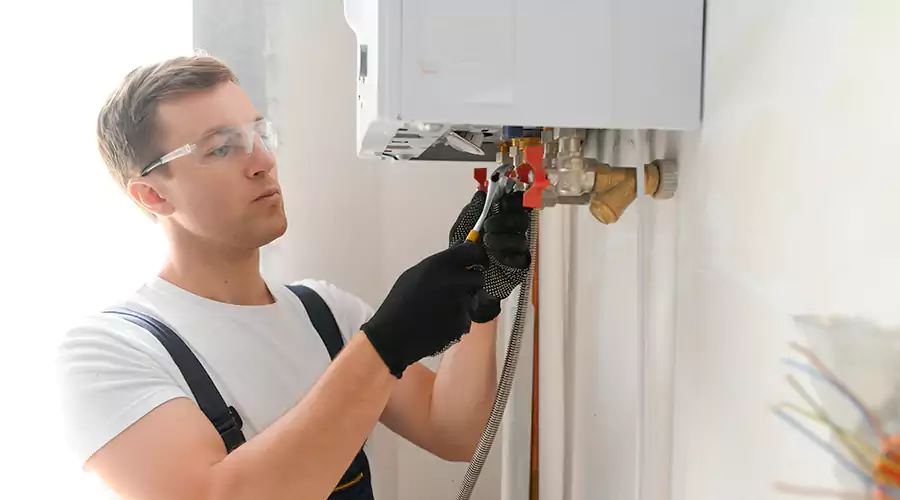
Choosing the right water heater is one of the most important decisions for any homeowner. Your choice affects energy efficiency, monthly utility bills, and how much hot water your household can rely on daily.
Two of the most common options are gas water heaters and electric water heaters. Both have advantages and drawbacks, and the best choice depends on your home’s setup, budget, and long-term needs.
In this guide, we’ll compare gas and electric water heaters in detail so you can decide which is the right fit for your home.
1. How Gas and Electric Water Heaters Work
Gas Water Heaters
Gas water heaters use natural gas or propane to heat water inside the tank. A burner at the bottom ignites, and the heat rises through a flue, warming the water quickly.
Key features:
- Require a gas line and proper venting
- Heat water faster than electric models
- Continue working even during power outages
Electric Water Heaters
Electric models use heating elements powered by electricity to warm the water inside the tank. They’re typically easier to install and maintain since no gas lines or vents are needed, unlike systems that may require Gas Water Heater Repair due to issues with burners or ventilation.
Key features:
- Require only an electrical connection
- Operate quietly and cleanly
- Ideal for areas without natural gas access
2. Energy Efficiency and Operating Costs
Energy efficiency is a major factor when choosing a water heater.
- Gas Water Heaters: These heat water quickly but lose some energy through vented exhaust gases. Newer models with high Energy Factor (EF) ratings and sealed combustion systems are more efficient but still use more energy overall.
- Electric Water Heaters: Electric models convert nearly all energy into heat, making them more efficient in theory. However, electricity often costs more per unit than gas, which can increase your monthly bills.
In short:
- Gas = faster heating, slightly lower efficiency
- Electric = slower heating, higher efficiency but higher energy cost
3. Installation and Maintenance
Gas Water Heaters
Installing a gas water heater is more complex. It requires a gas line connection, venting system, and sometimes a condensation drain. Maintenance is also more frequent because the burner and flue need regular cleaning to ensure safe operation.
Electric Water Heaters
Installation is generally simpler and cheaper. They can be placed almost anywhere with an electrical supply, making them ideal for smaller homes or apartments. Maintenance mainly involves checking heating elements and the thermostat.
Pro tip: If your home already has a gas line, installing a gas heater may be more cost-effective. But if not, an electric unit avoids the expense of running new gas lines.
4. Performance and Recovery Rate
The recovery rate measures how quickly a water heater can reheat a new tank of water.
- Gas water heaters have a higher recovery rate, meaning you can take multiple showers back-to-back without running out of hot water.
- Electric water heaters heat more slowly, so large families may experience delays if hot water demand is high.
For smaller households, electric models generally perform well enough without issues.
5. Lifespan and Reliability
Both gas and electric water heaters last 8–15 years, depending on maintenance and water quality.
- Electric heaters tend to last slightly longer since they have fewer moving parts and no combustion chamber.
- Gas heaters may wear out faster due to heat stress and corrosion in vented areas.
Regular maintenance — including flushing the tank once a year — helps extend the lifespan of both types.
6. Environmental Impact
- Gas Water Heaters: Produce carbon emissions during combustion, though newer energy-efficient models are cleaner than older units.
- Electric Water Heaters: Create no on-site emissions, and if powered by renewable electricity, they’re the most eco-friendly option.
For homeowners focused on sustainability, electric water heaters — or hybrid heat-pump models — are the greener choice.
7. Upfront and Long-Term Costs
Upfront Costs
- Gas water heaters usually cost more to install because of venting and gas line work.
- Electric units are generally cheaper and quicker to set up.
Long-Term Costs
- Gas heaters have lower energy costs if natural gas prices are low.
- Electric heaters cost more to operate but are simpler and less expensive to maintain.
A cost comparison over time often depends on your local utility rates and energy availability.
8. Which One Is Best for Your Home
Your ideal water heater depends on your home’s infrastructure and priorities.
Choose a Gas Water Heater If:
- You already have a gas line installed
- You want faster heating and higher recovery rates
- You prefer lower long-term operating costs
Choose an Electric Water Heater If:
- You don’t have access to natural gas
- You want a simpler, cleaner, and quieter installation
- You’re interested in energy efficiency or renewable-powered systems
Conclusion
Both gas and electric water heaters have their strengths. Gas models deliver quick, powerful heating for larger households, while electric systems offer simplicity, safety, and environmental benefits.
If you’re unsure which type suits your home, consult a licensed water heater installation expert. They can evaluate your plumbing system, local energy rates, and household needs to recommend the best, most efficient option.